Forests & forestry
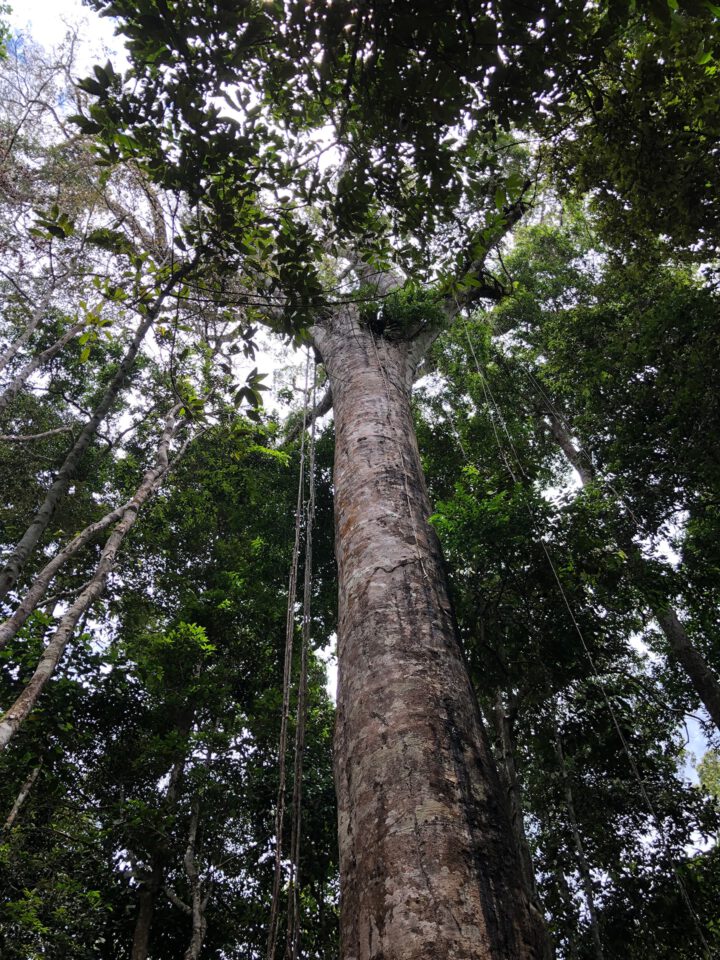
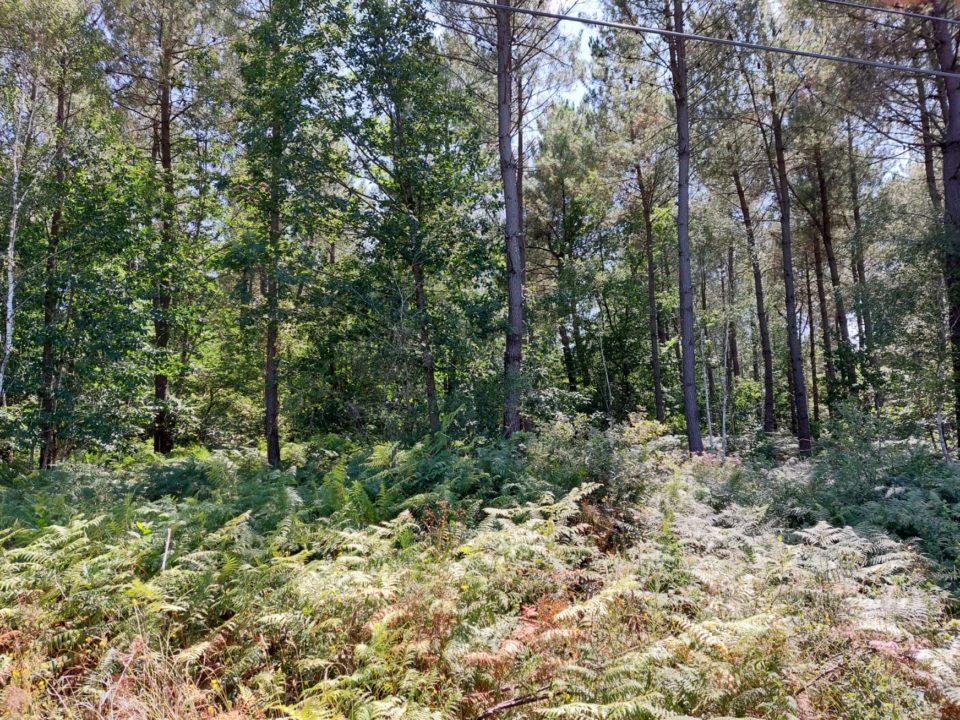
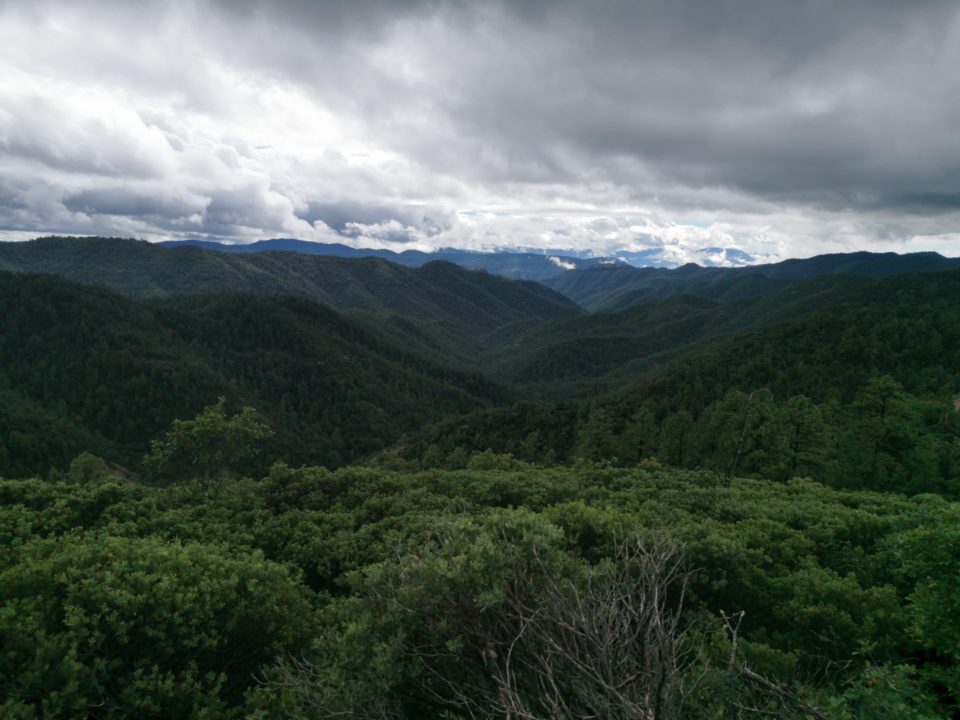
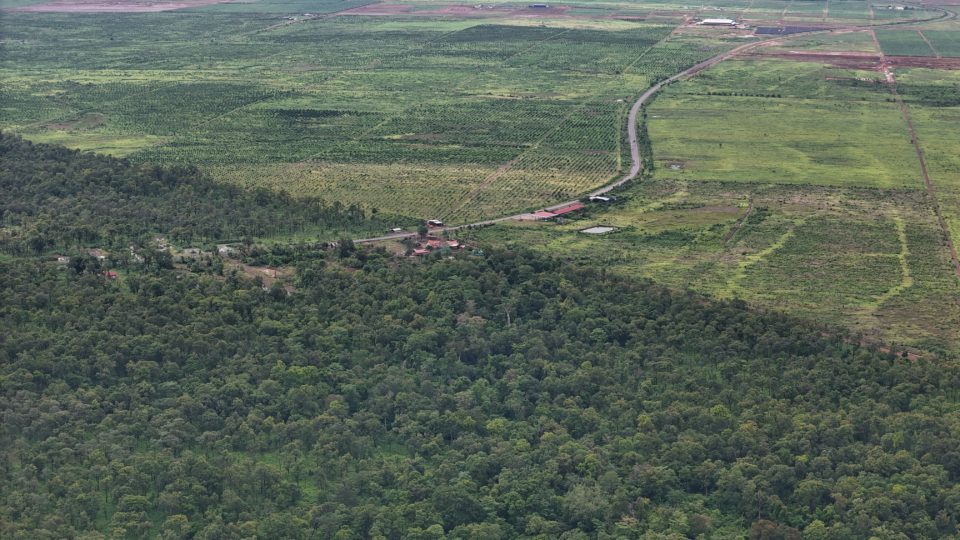
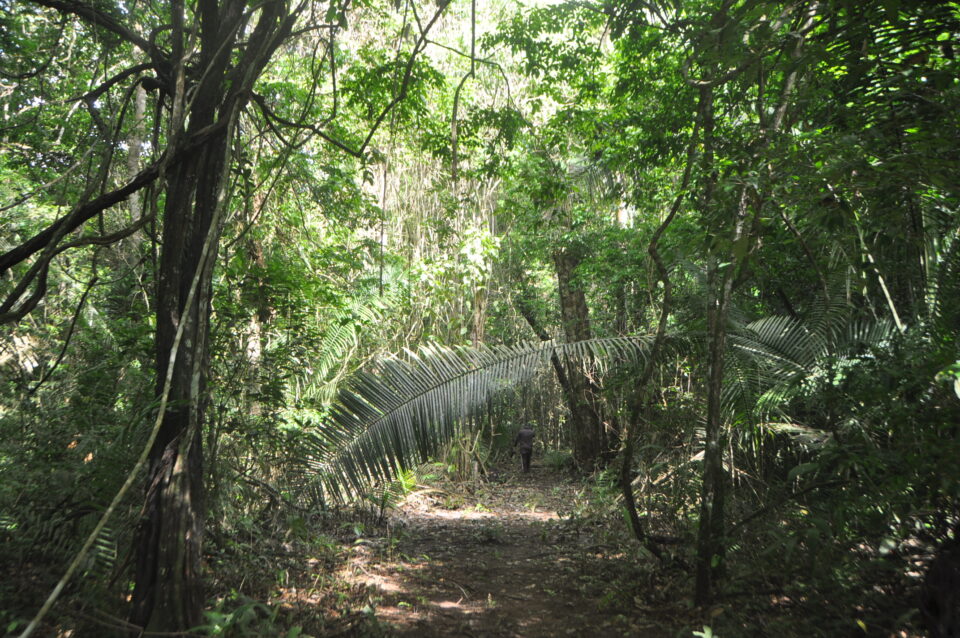
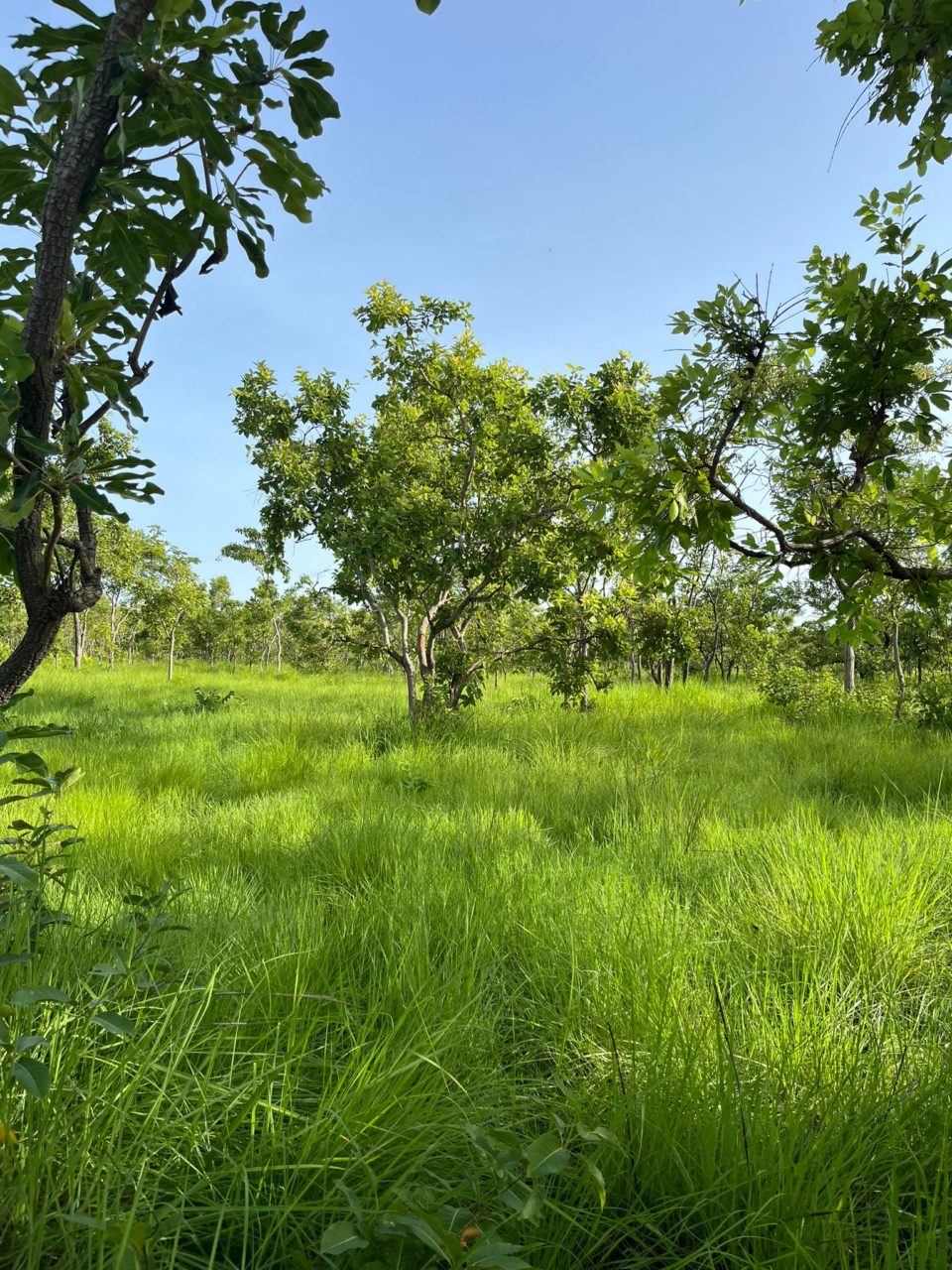
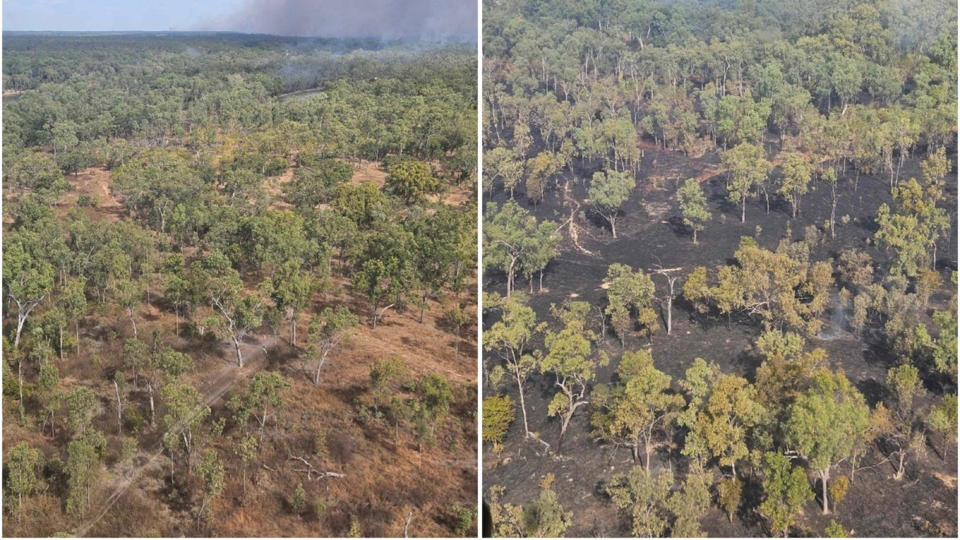
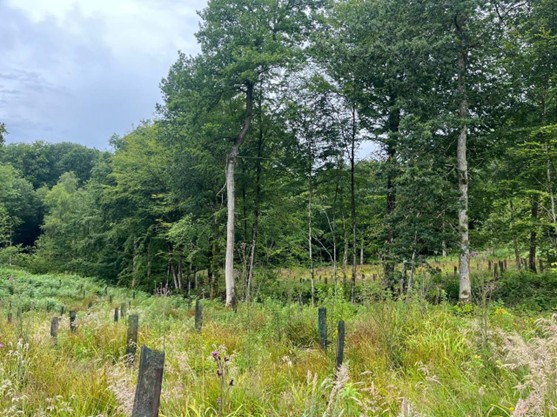
Each year, 10 million hectares of forest are lost – 95% in the tropics – and another 100 million hectares are degraded*. Forest loss drives GHG emissions and the biodiversity crisis: though covering 30% of land**, forests host up to 80% of terrestrial species***. At hummingbirds, we focus on sustainable forest management, reforestation, and ecosystem restoration, while urgently protecting pristine tropical forests that took centuries to evolve.
*UN FAO
** European Commission’s World Atlas of Desertification
***IPBES 2019

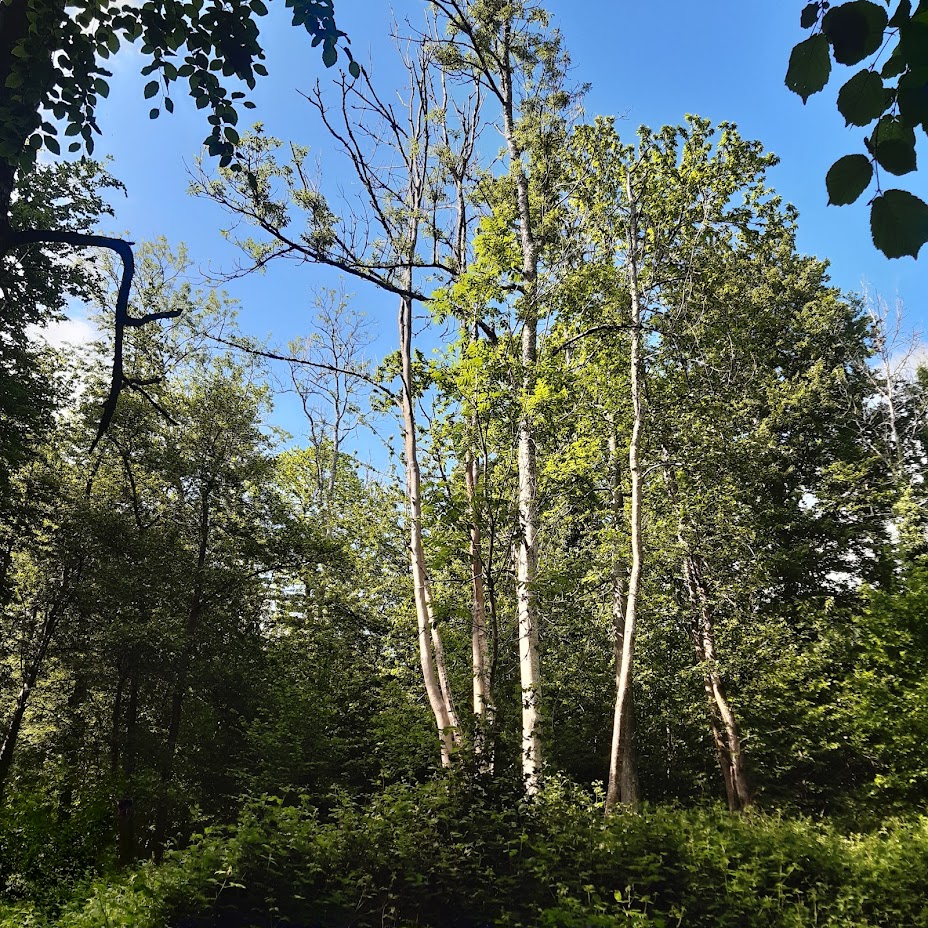
Agriculture & agroforestry
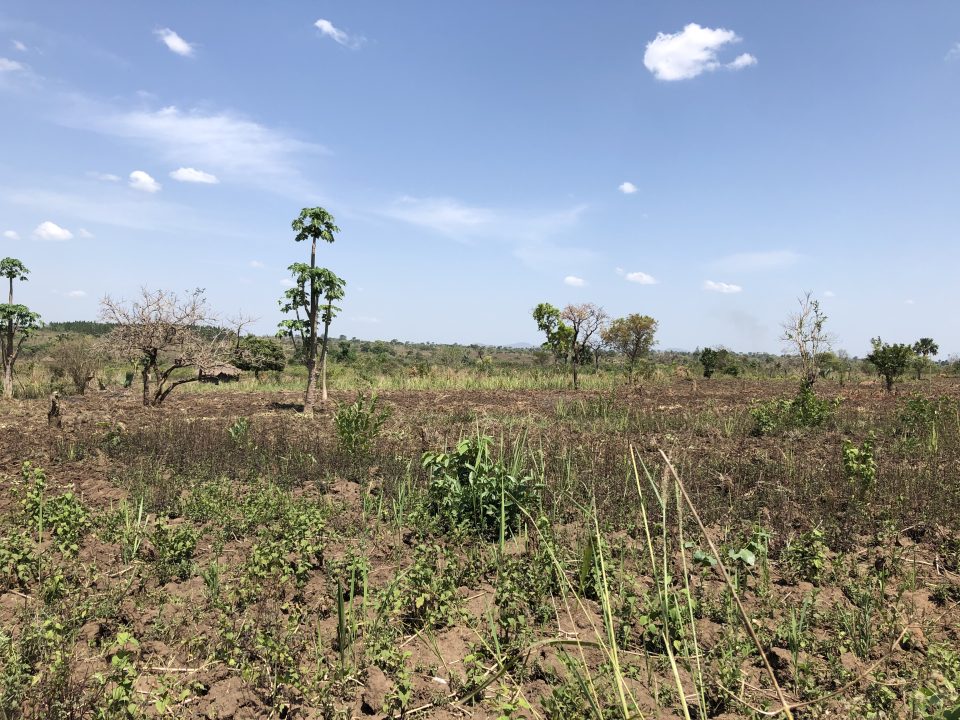
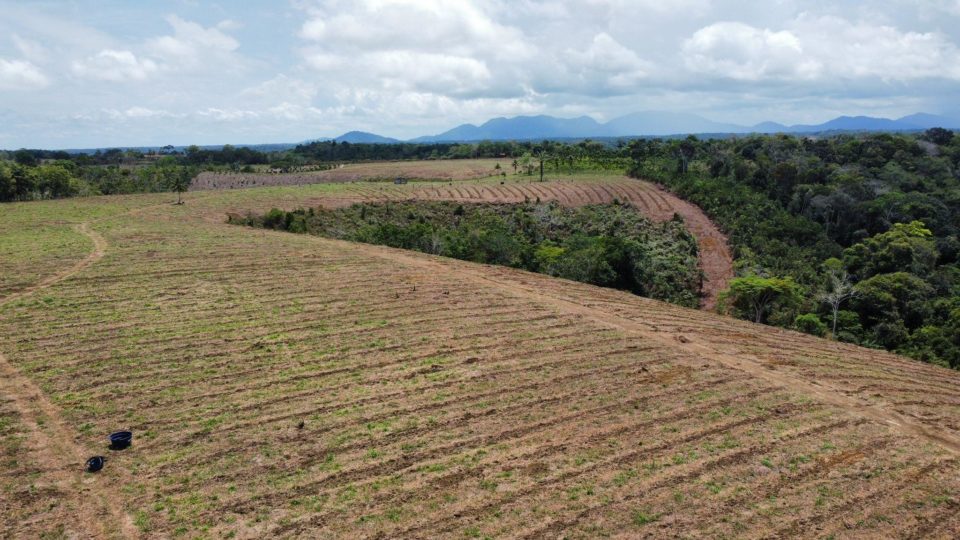
With a growing population and rising food demand, agriculture faces two paths: expanding land or increasing productivity. Land expansion drives deforestation, while intensification degrades soils and releases carbon, reducing yields. Today, 35% of ice-free land is used for farming, contributing 20% of global GHG emissions*. At hummingbirds, we work with vulnerable communities to create resilient, sustainable food systems, like agroforestry, that combine crops and trees, boosting productivity and diversifying income.
*FAO land use and land cover

Blue carbon
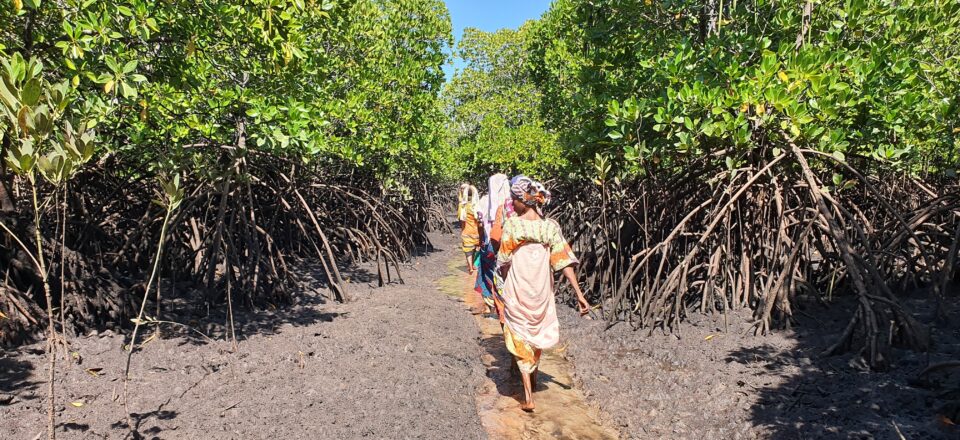
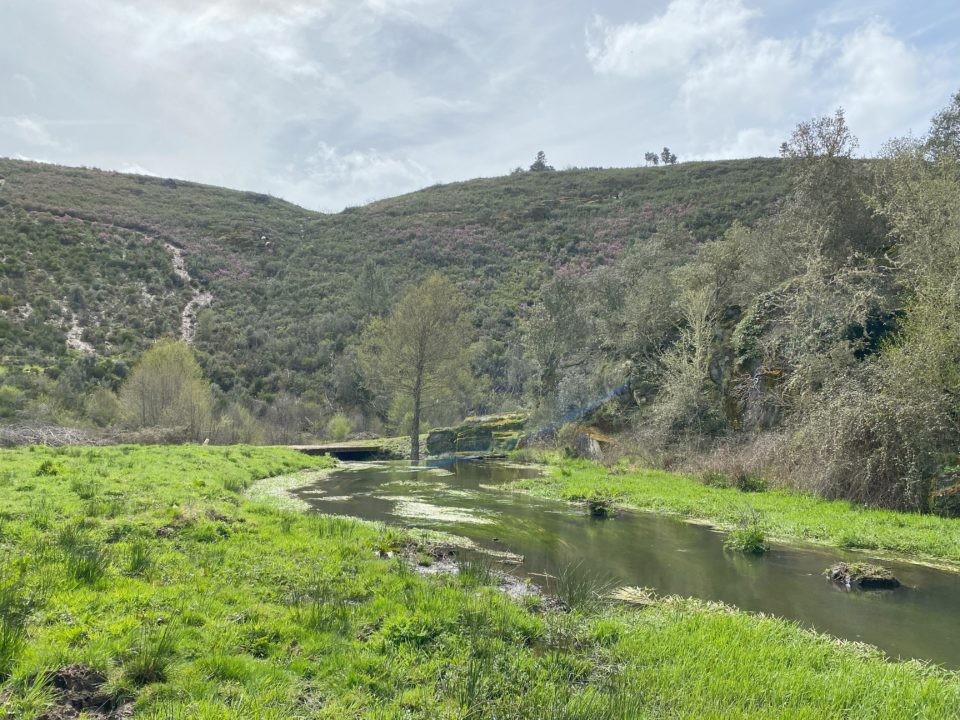
Salt marshes, mangroves, peatlands, and other wetlands store huge amounts of carbon-peatlands alone cover 3% of land but hold 30% of terrestrial organic carbon*. Highly vulnerable to sea level rise, floods, and droughts, these ecosystems still provide vital services, protecting coasts, supporting fisheries, and hosting rich biodiversity. Preserving and restoring them is crucial for climate and nature.
*FAO. 2020. Peatlands mapping and monitoring – Recommendations and technical overview

Cookstoves & others
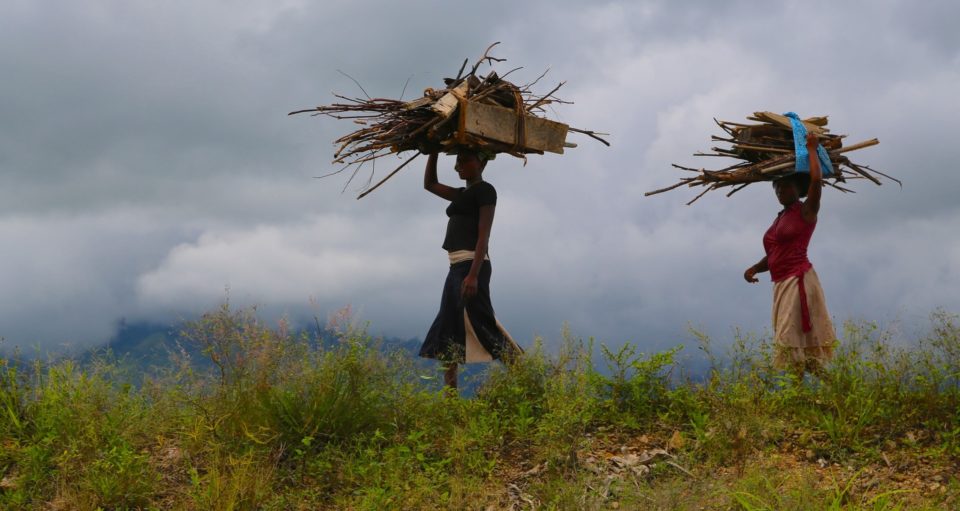
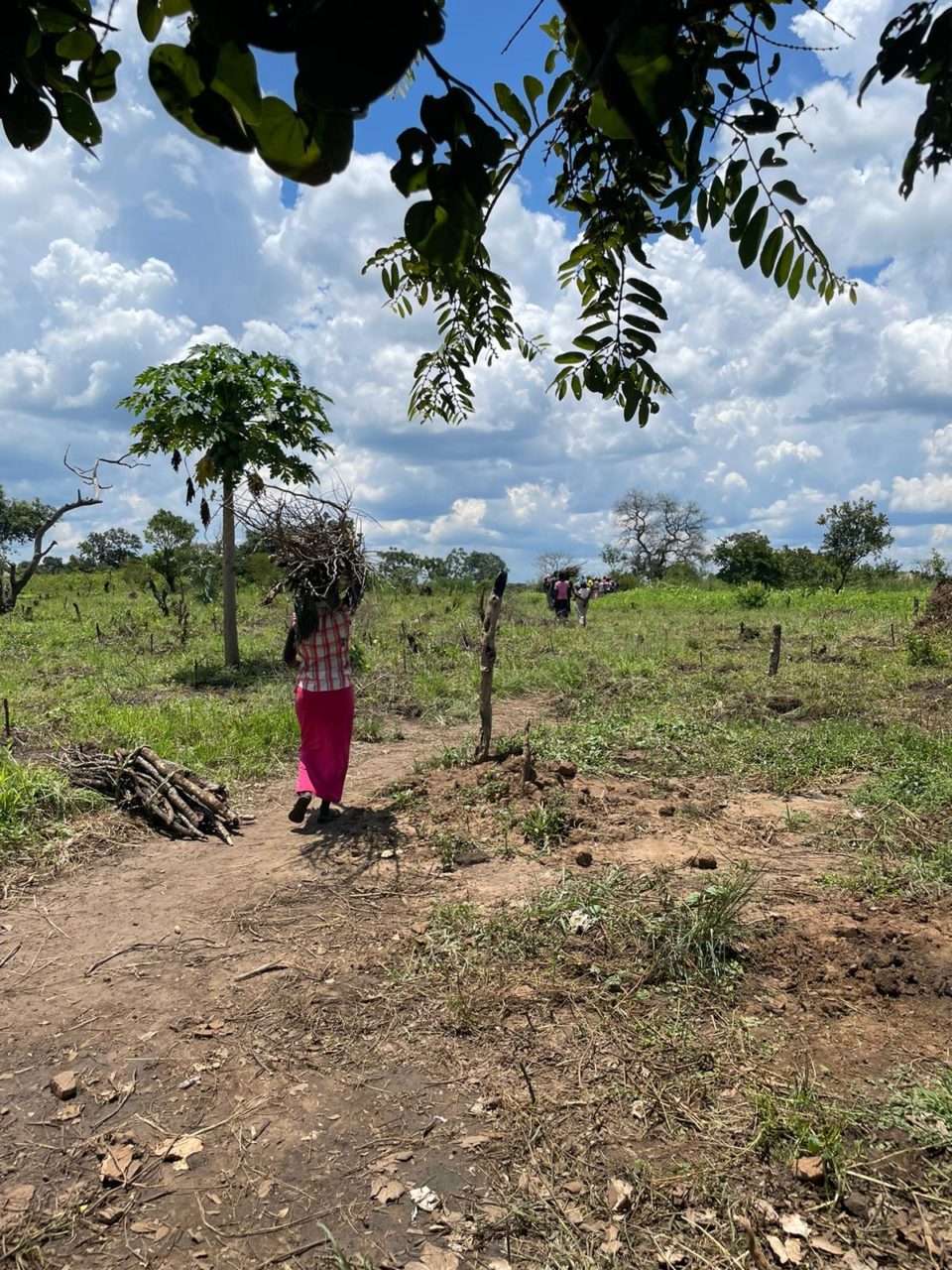
Today, 2.4 billion people lack access to clean cooking, relying on traditional open fires that drive deforestation. Improved cookstoves use up to 60% less fuel, cut CO2 emissions, and reduce harmful smoke - saving lives and time, especially for women. hummingbirds supports these projects as a way to empower rural women while protecting forests and combating desertification.