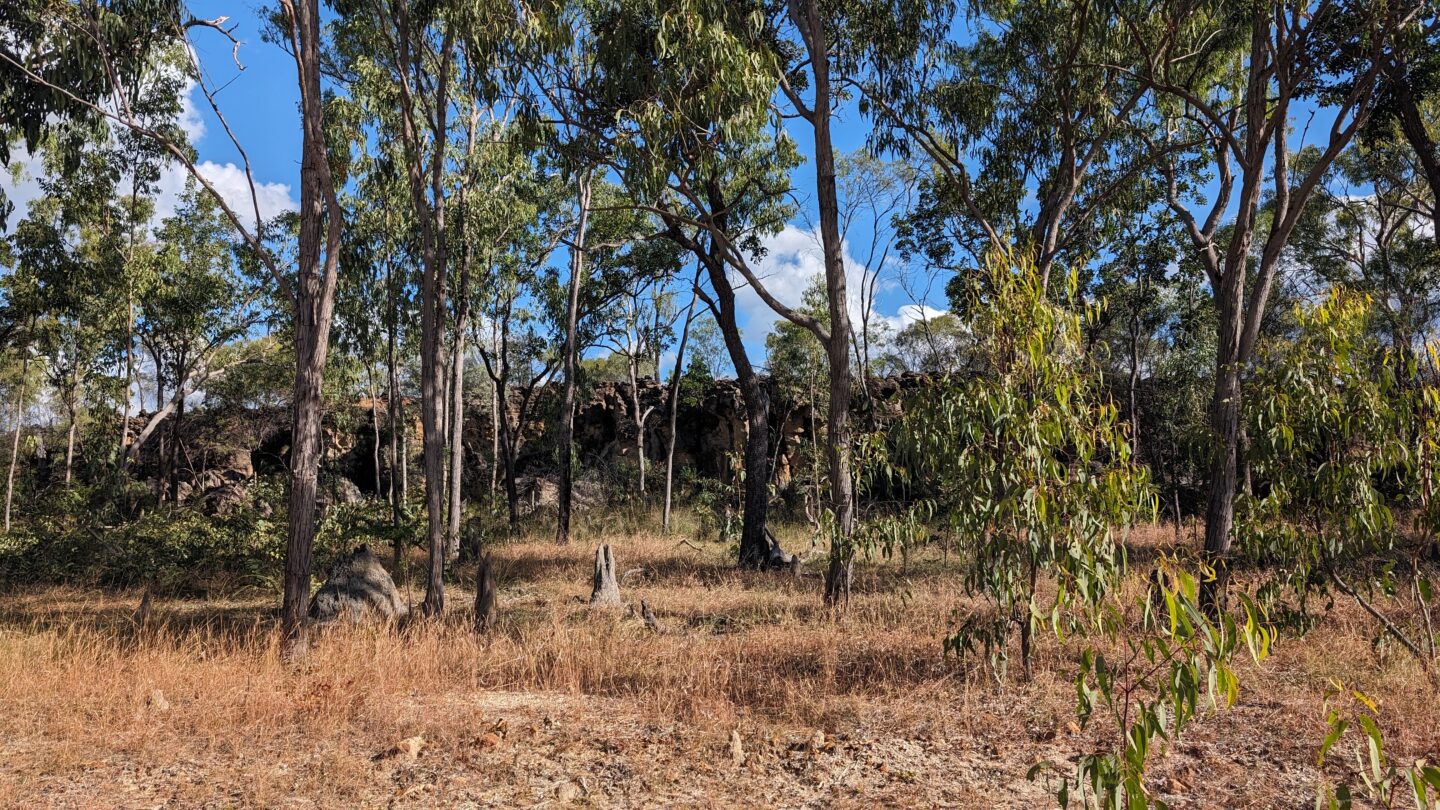
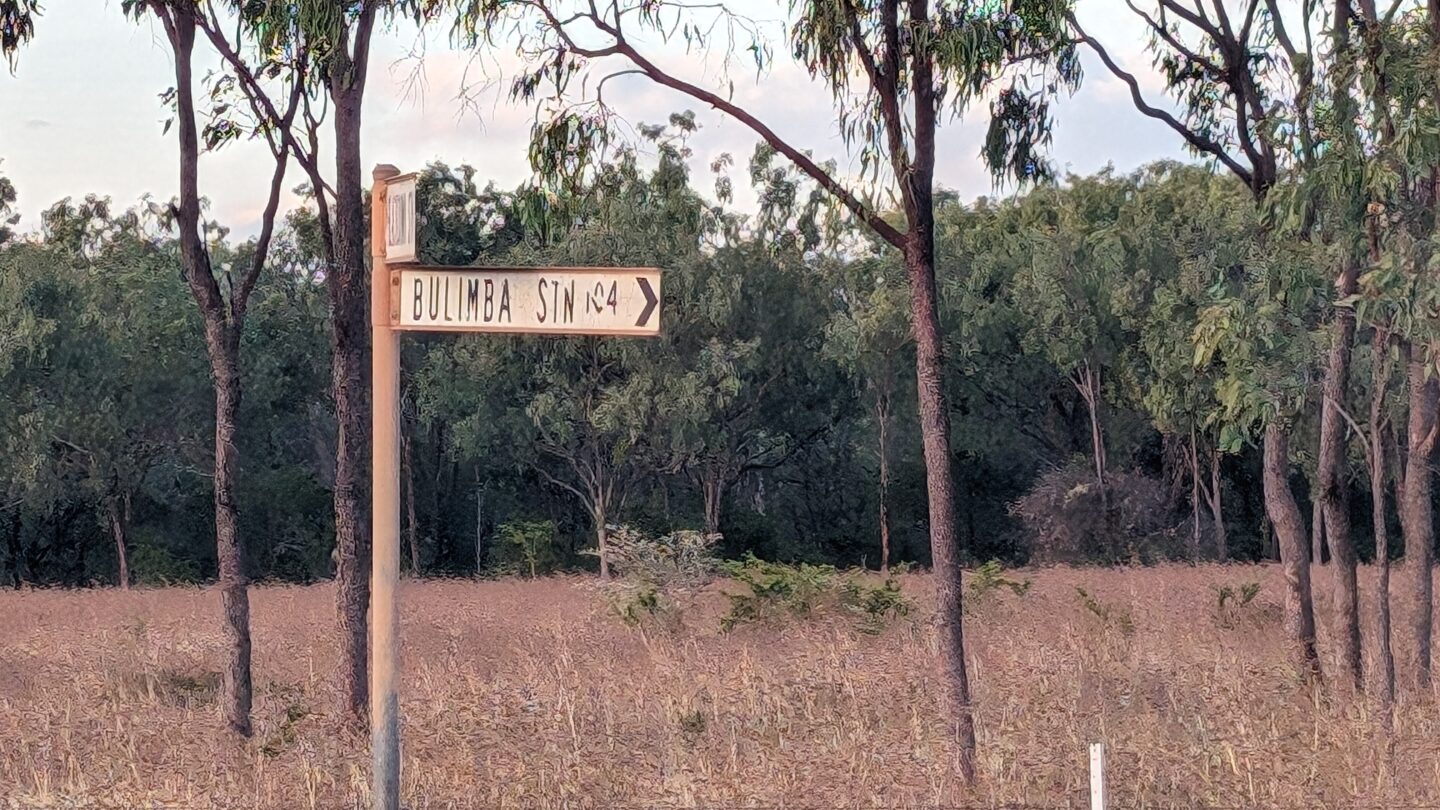
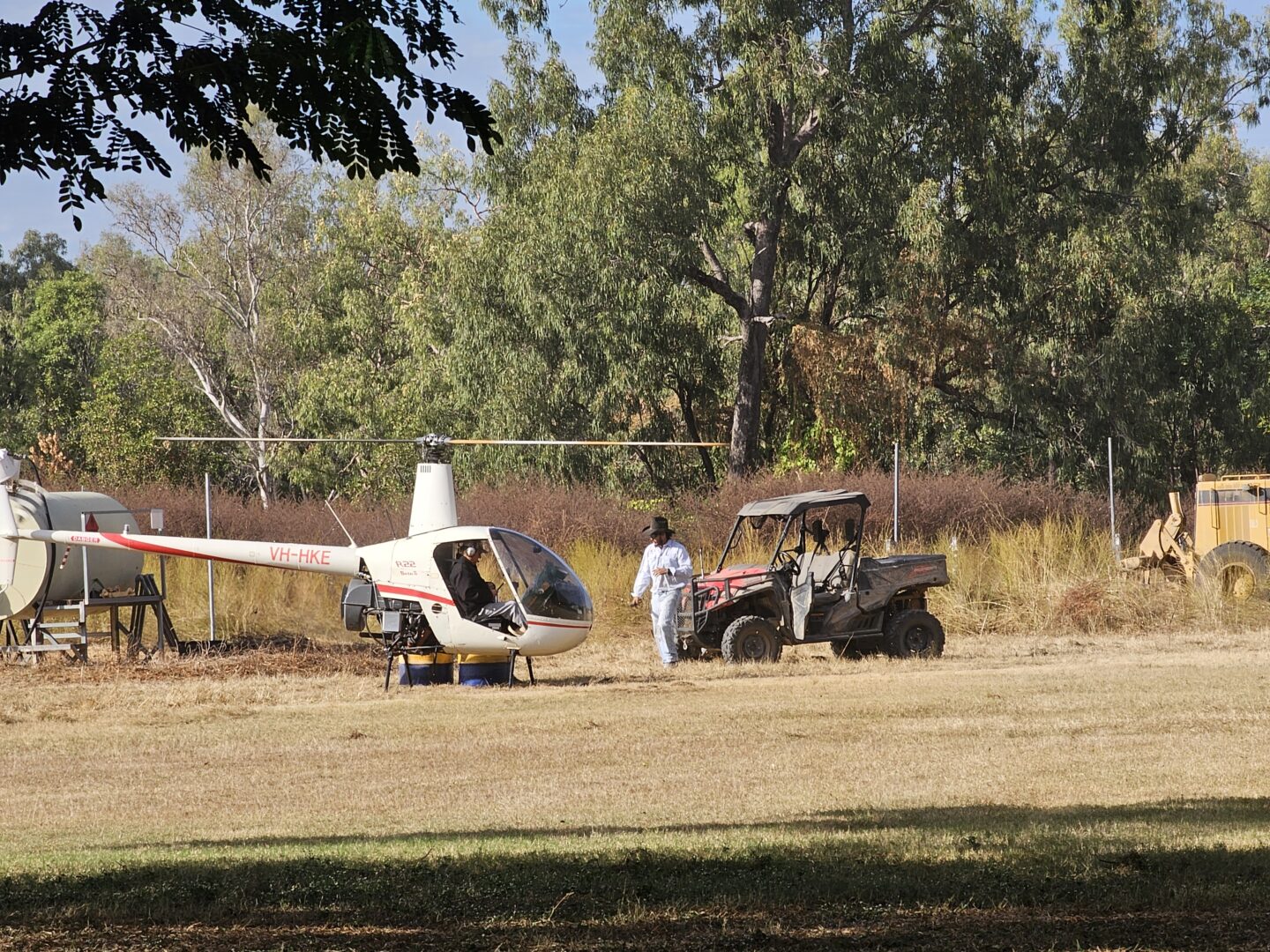
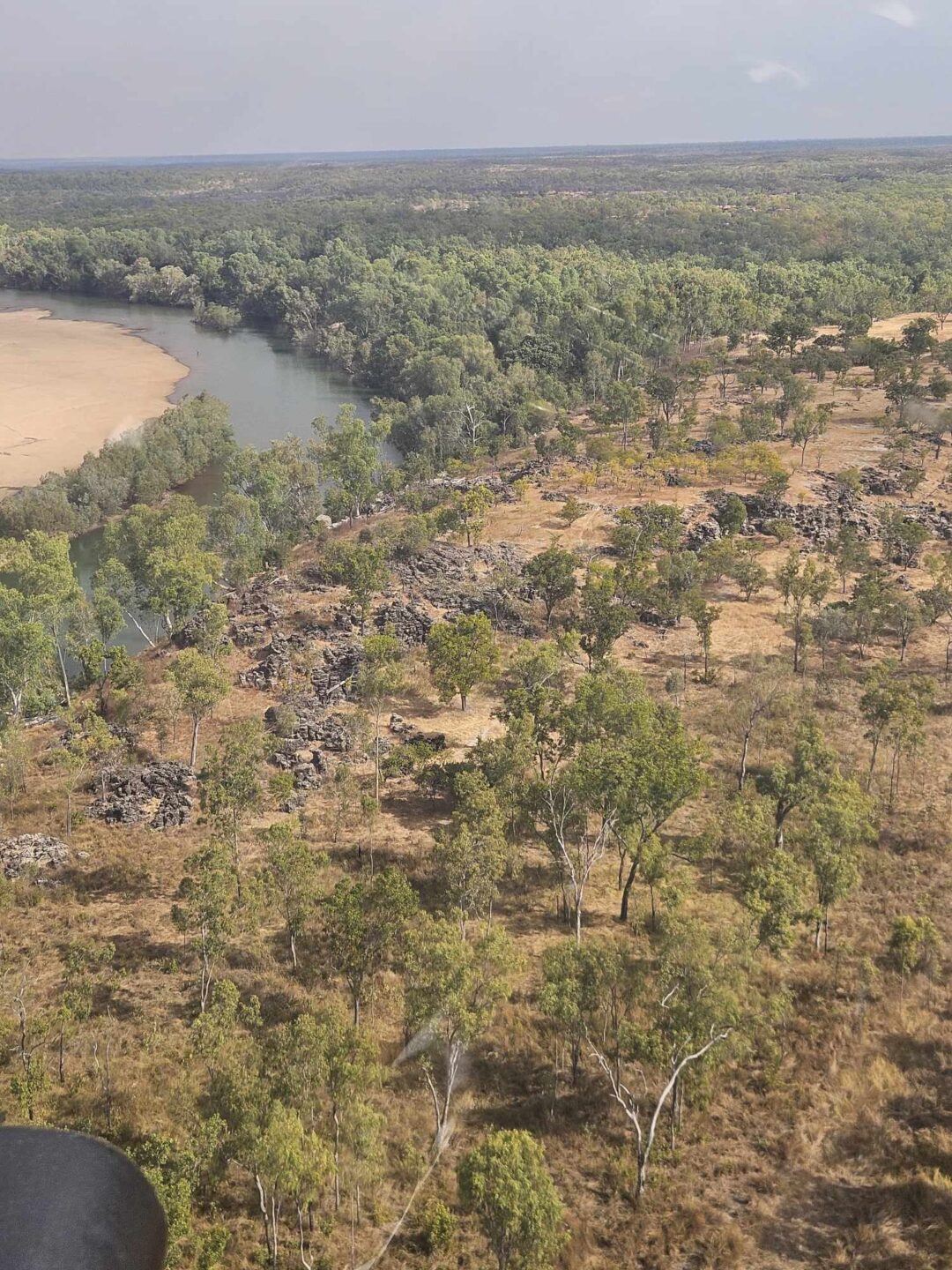
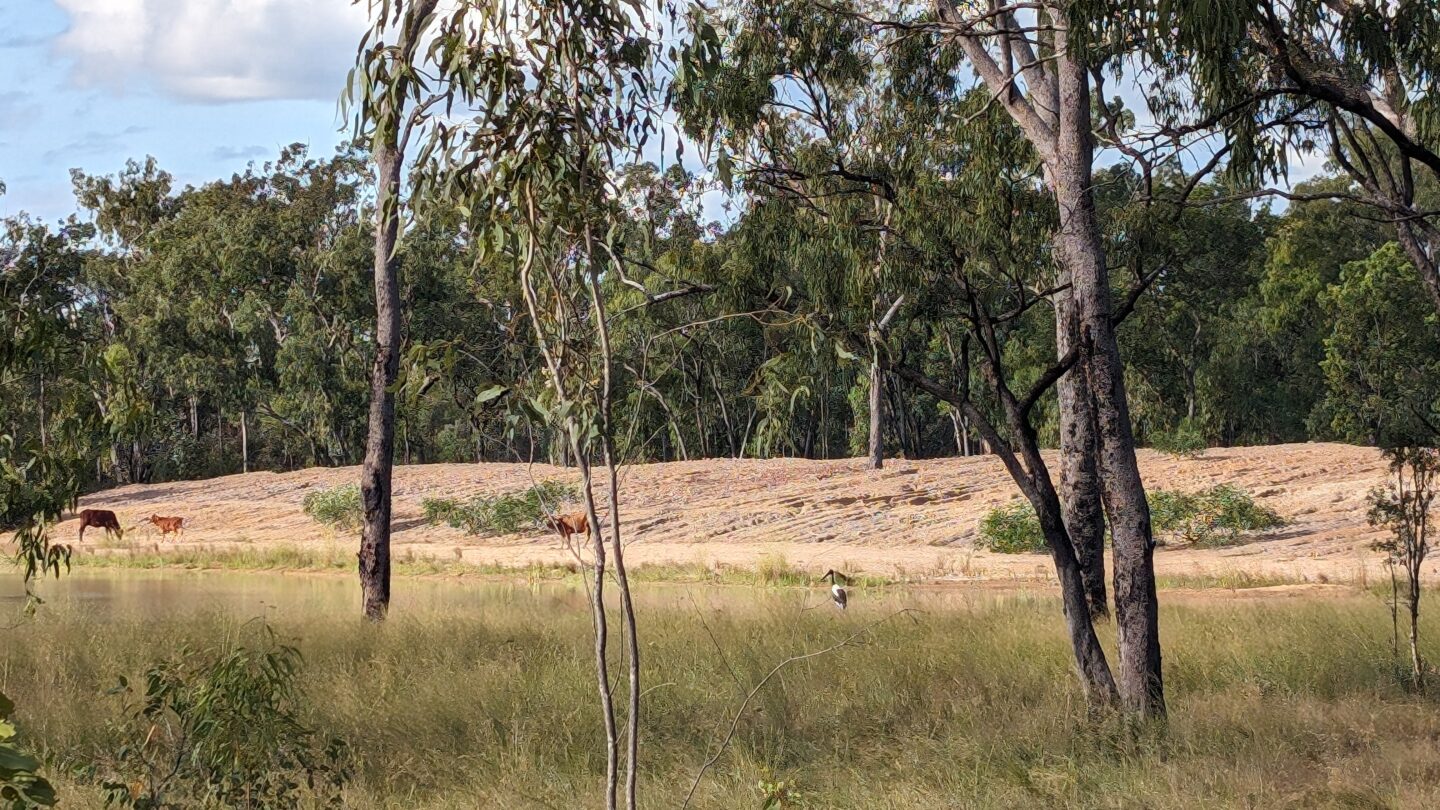
This savanna fire management project transforms wildfire risk into climate action through Indigenous fire knowledge. Implemented on Bulimba Station in the tropical savanna of Queensland's low rainfall region, the project shifts fire patterns from destructive late dry season wildfires to controlled early dry season burns. By implementing annual planned burns when fires can be controlled as a tool to create firebreaks, the project reduces fuel loads through mosaic and rotating burning targeting 3-5 year grass cycles. This ancestral Indigenous practice not only avoids carbon emissions but also reduces destructive fire occurrences, maintains land productivity, and empowers Traditional Owners through Aboriginal fire knowledge sharing. The project will formalize an environmental and social management plan to enhance co-benefits while supporting biodiversity management in this low rainfall region.
Activities
Early dry season controlled burns conducted when conditions allow safe fire management
Rotating burns targeting 3-5 year grass cycles to reduce fuel loads while maintaining habitat diversity
Coordinated boundary burns in collaboration with neighboring landowners to prevent fire spread
Implementation of a comprehensive biodiversity management plan to protect savanna ecosystems
Aboriginal fire management practices passed down through generations, empowering Traditional Owners in land stewardship
Impact & evolution
125,000 hectares
244,000 CO2 emissions avoided
5 vulnerable bird species protected
Sustainable Development Goals
>70% of the project revenues going back to companies controlled by the community of traditional owners
Improved skills and/or knowledge resulting from training provided as part of project activities
Additional income stream for the traditional owners
Traditional knowledge combined with latest technology and provides economic opportunities for First Nations people
244,000 tCO2e emission avoided over 25 years
125,000 ha under sustainable management, fire frequency reduction and temporal shift