Community-based Mangrove restoration and conservation in Kenya
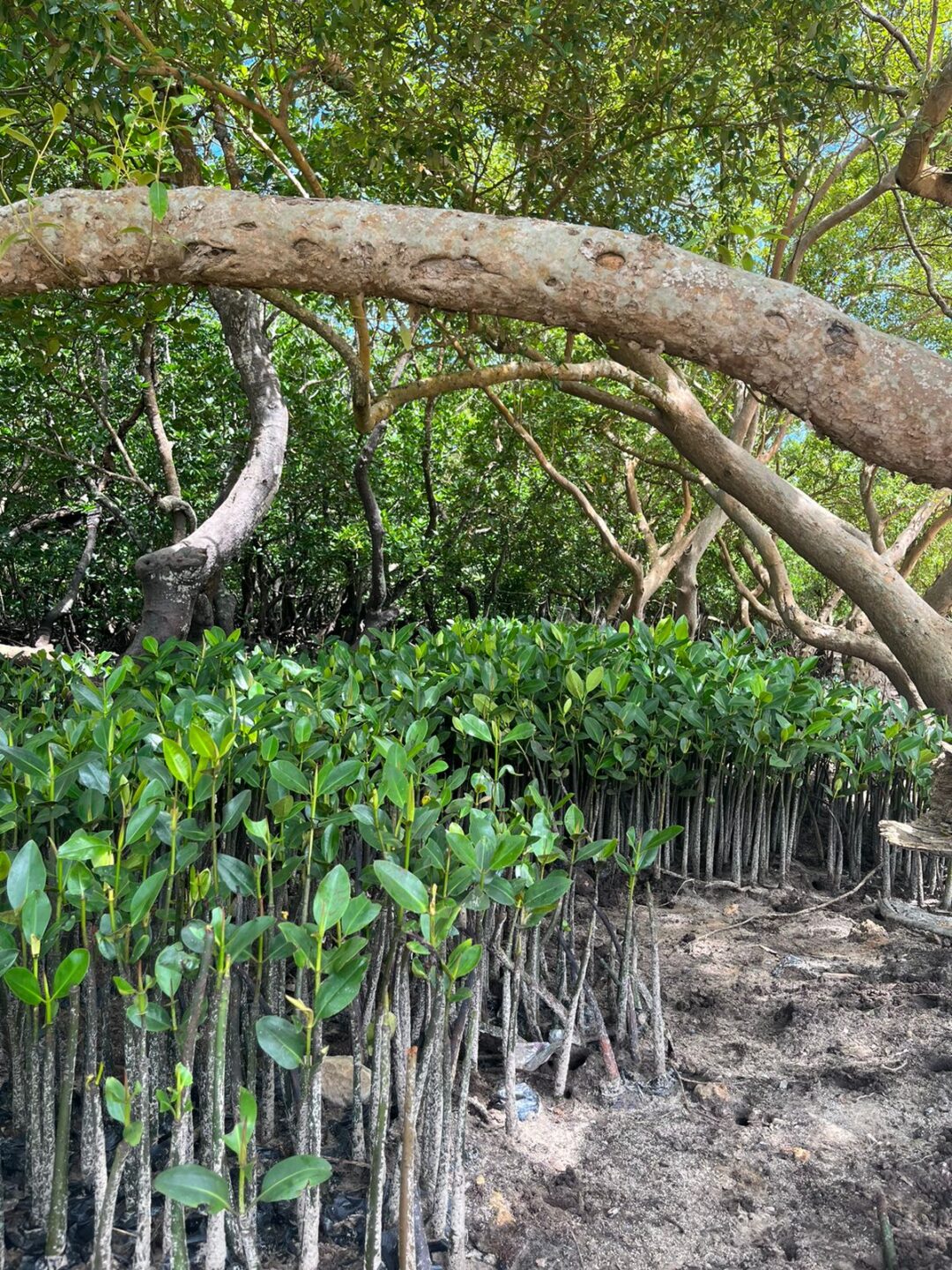
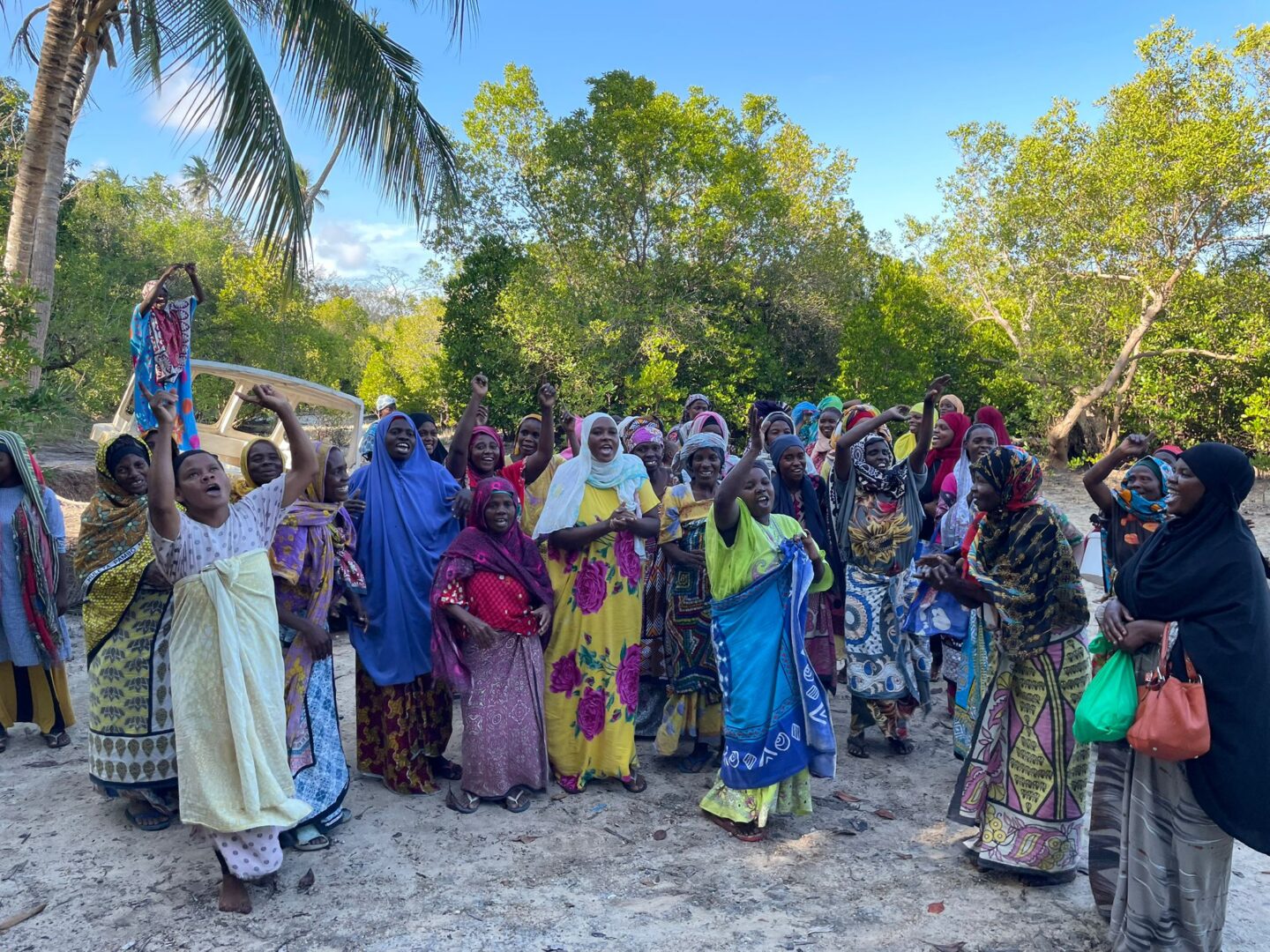
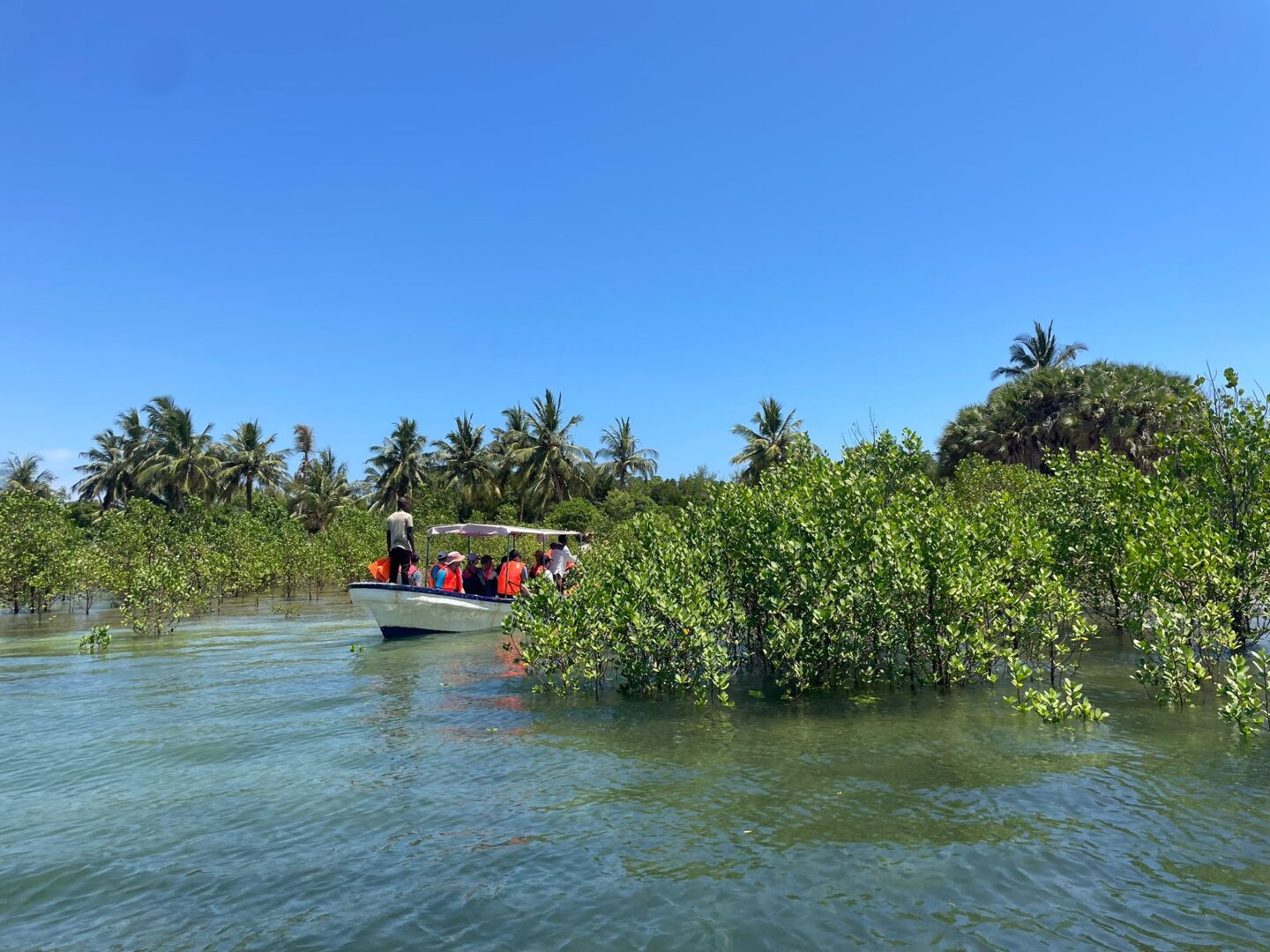
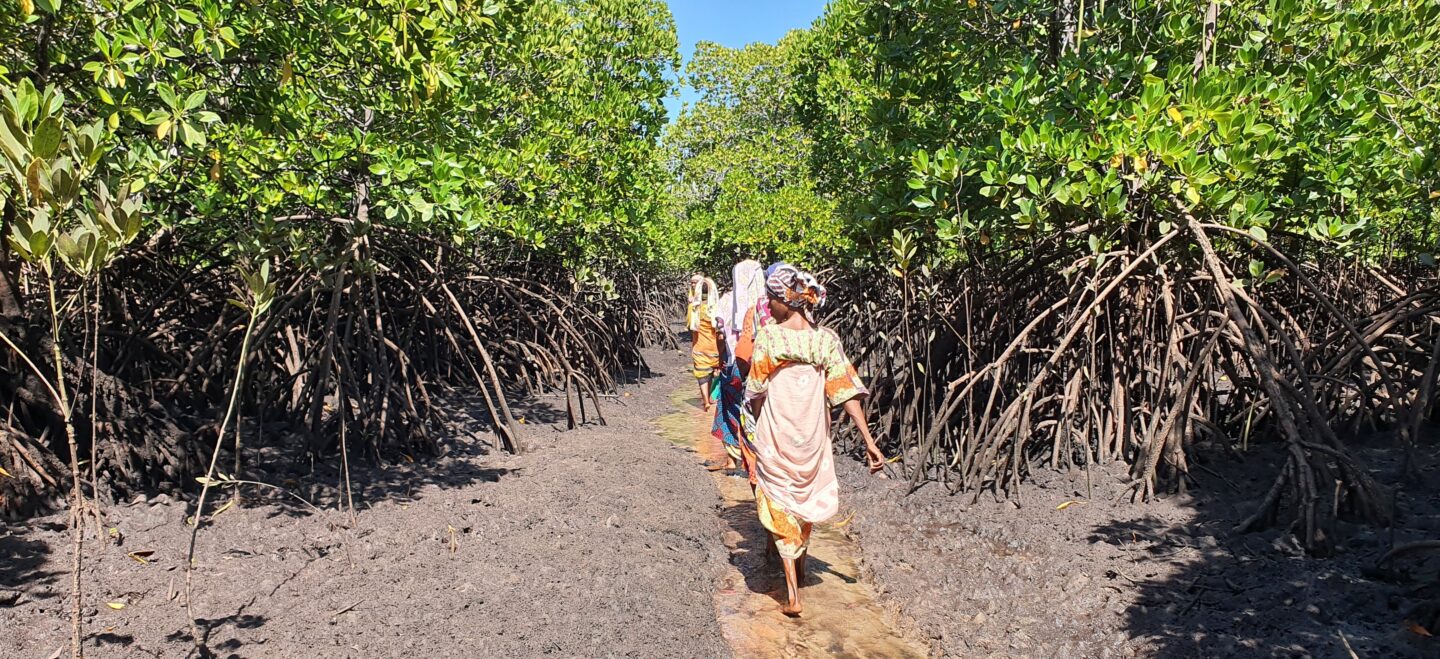
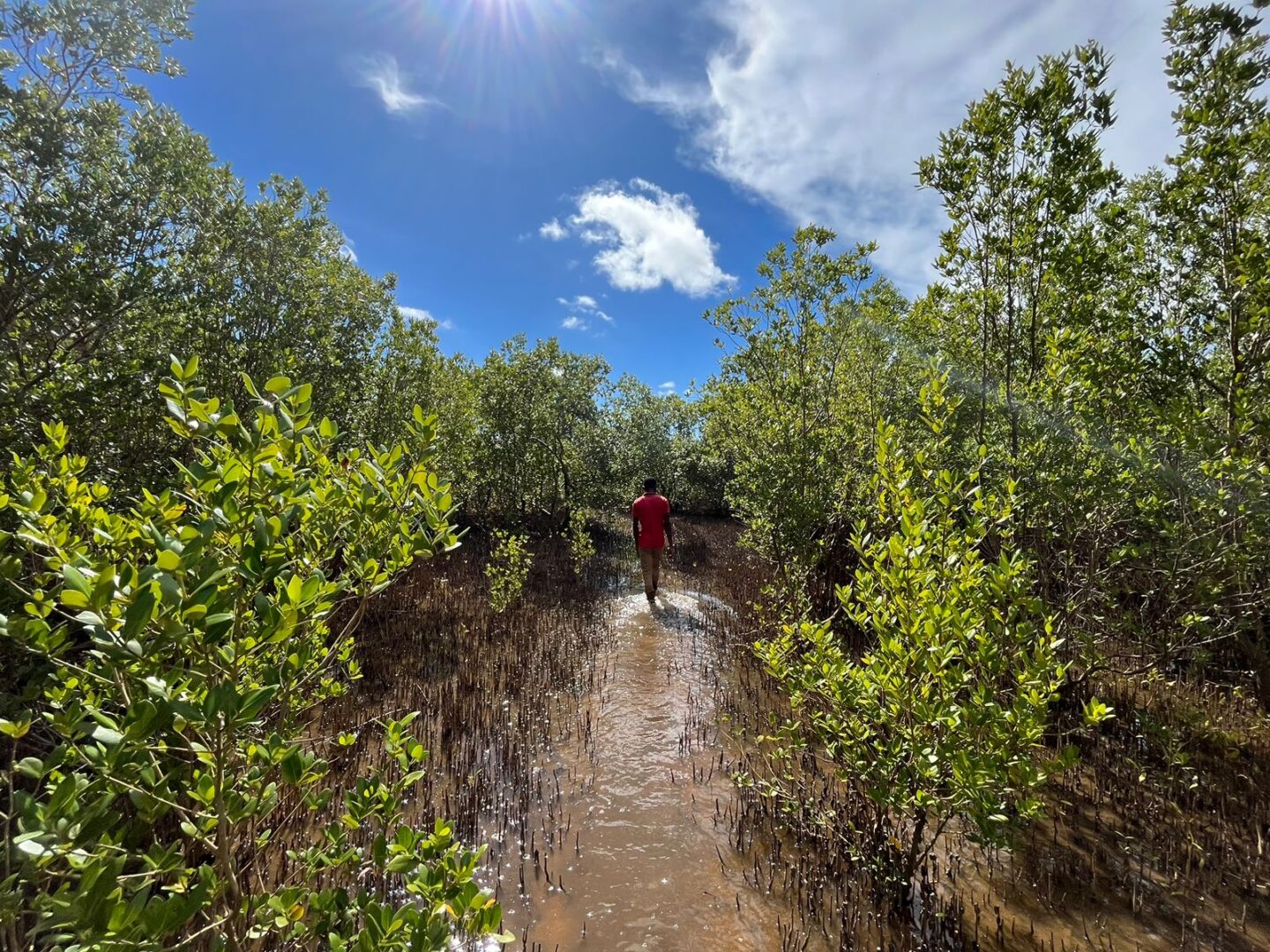
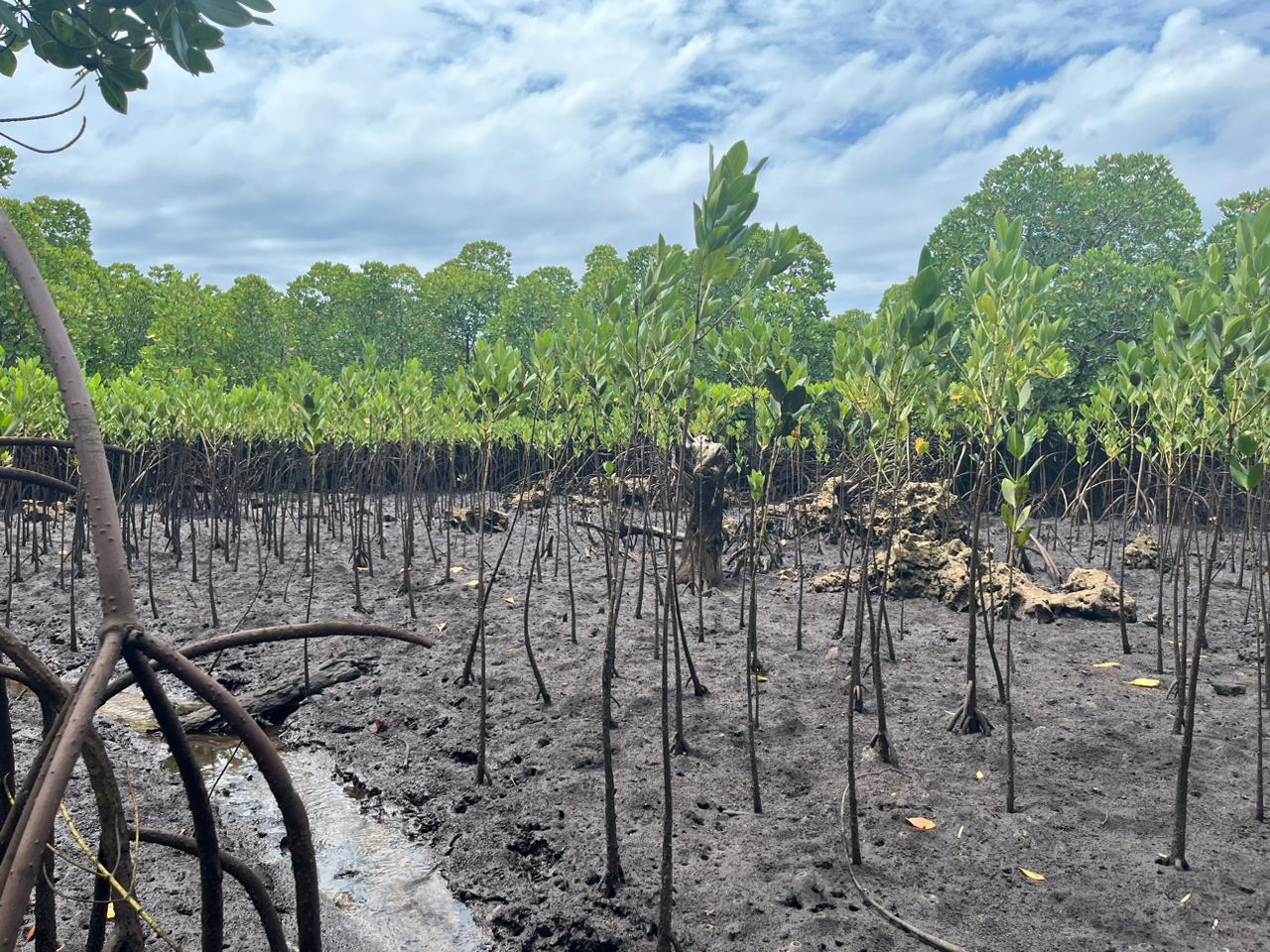
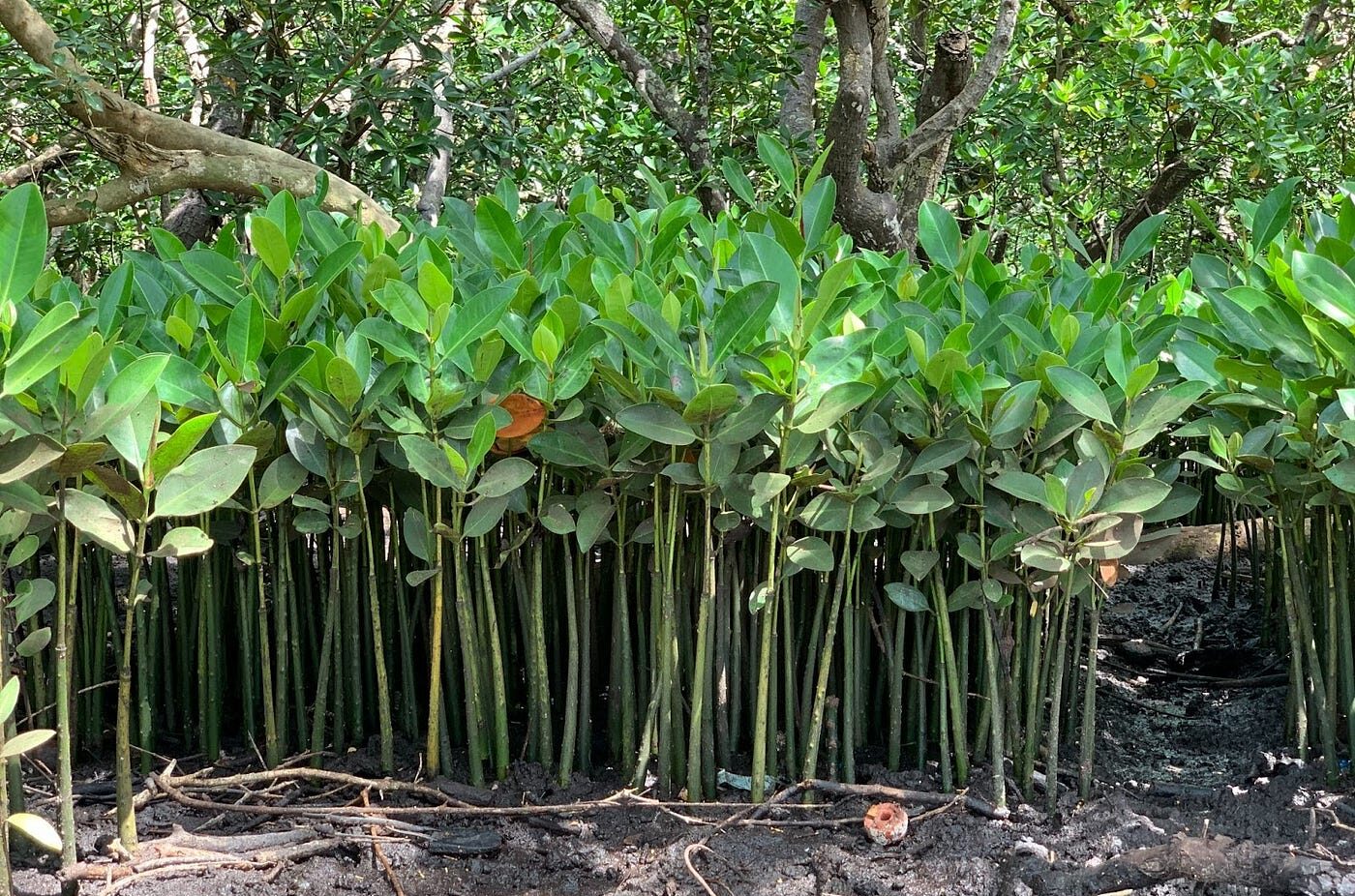
Mangroves are among the planet's most valuable sequestering 10 times as much carbon as other forests through their extensive root networks while providing shelter and resources for animals and people. Yet, they are also part of the most vulnerable ecosystems. Kenya has lost half its mangrove forests in the past 50 years due to overexploitation by locals using timber for fuel, construction materials, medicine, and overfishing in the areas. The Papariko project delivers a direct response to mangrove degradation on the South coast of Kenya, providing skills and sustainable livelihoods for communities that depend on these unique coastal ecosystems. Using a community-based model with large profit sharing (>40%), Community-Based Organizations (CBOs) will decide on the usage of funds, investing in projects such as health dispensaries, education facilities, scholarships, or water infrastructures, ensuring local ownership and that benefits directly address community-identified needs.
Activities
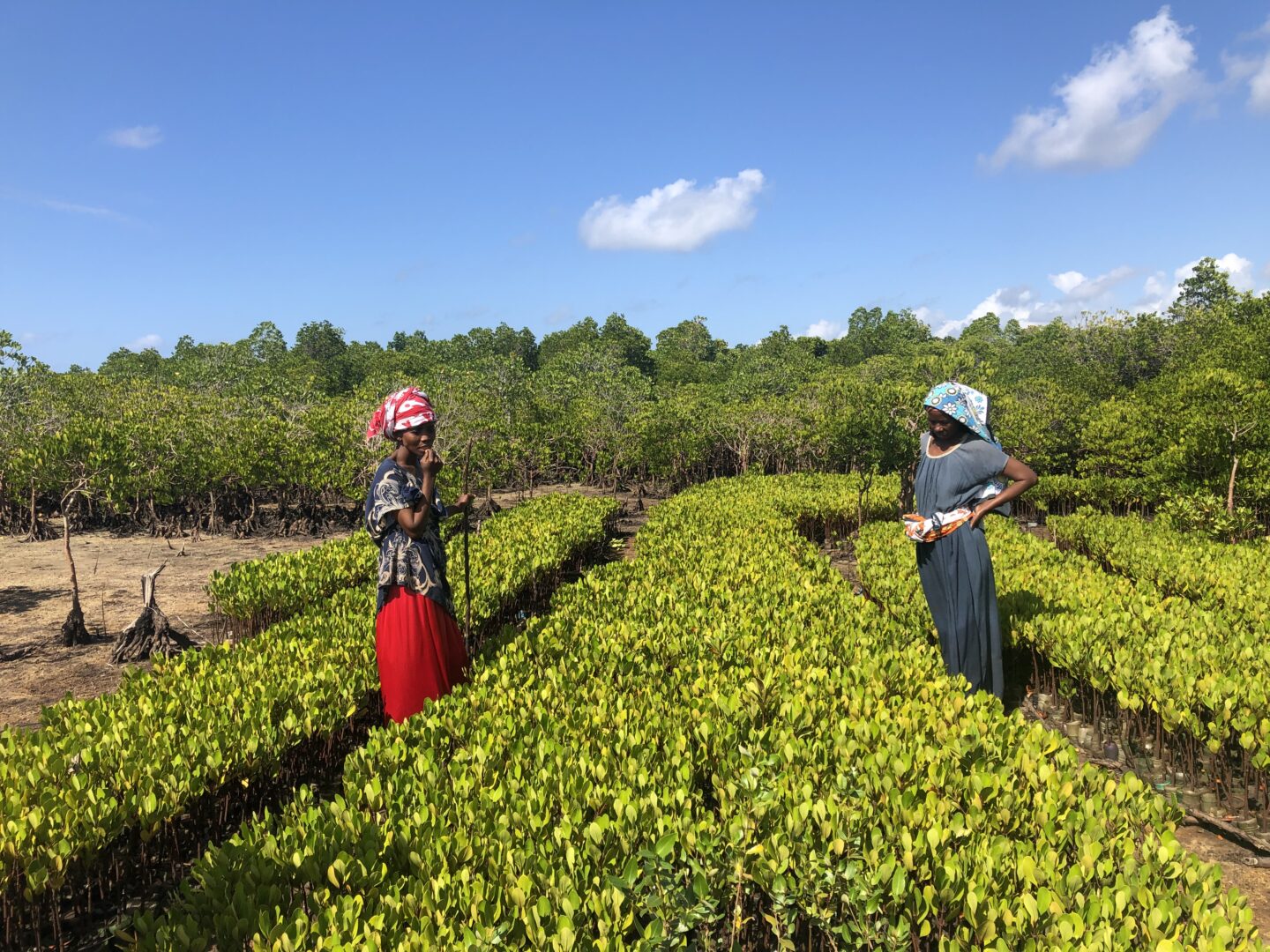
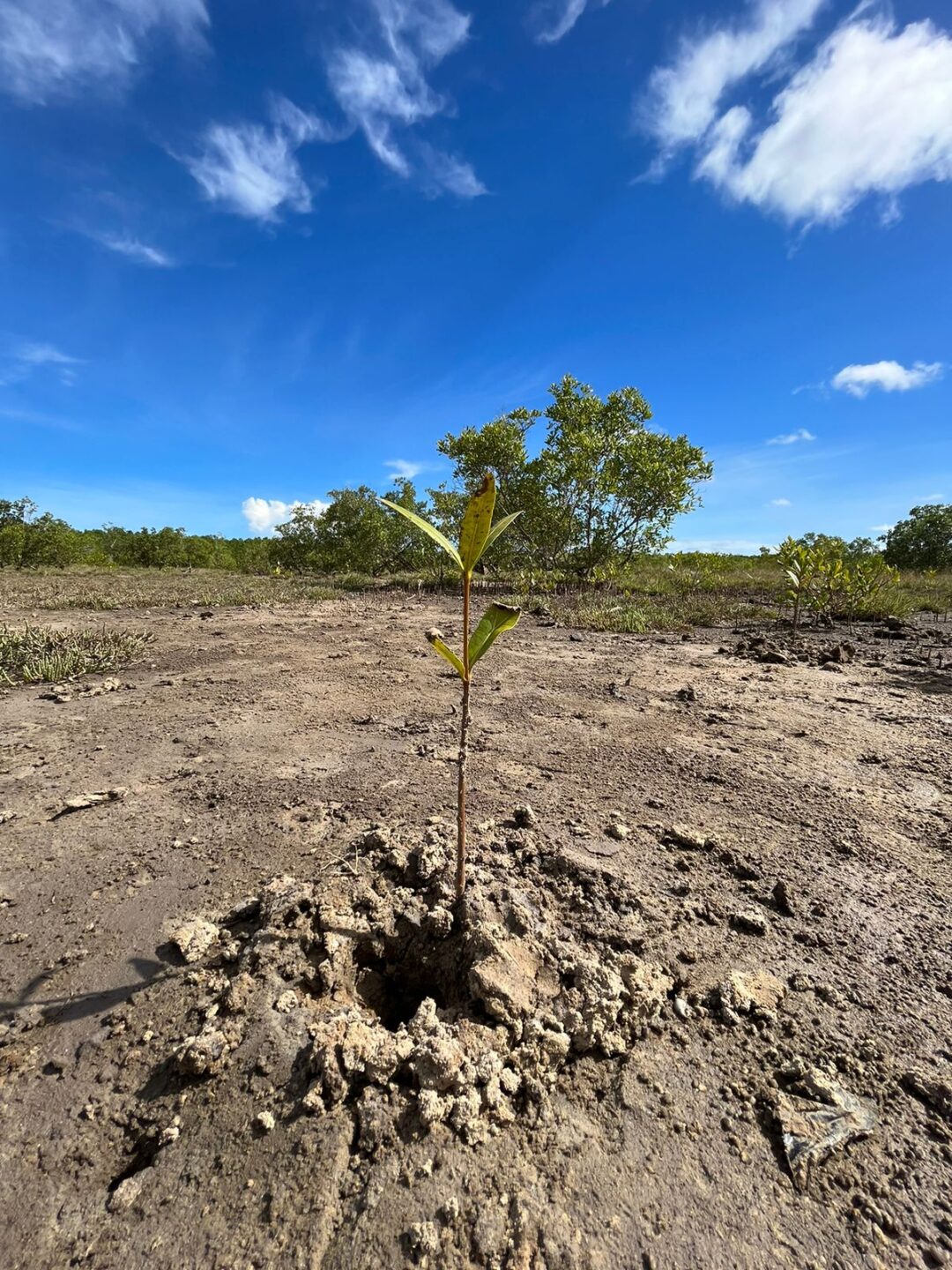
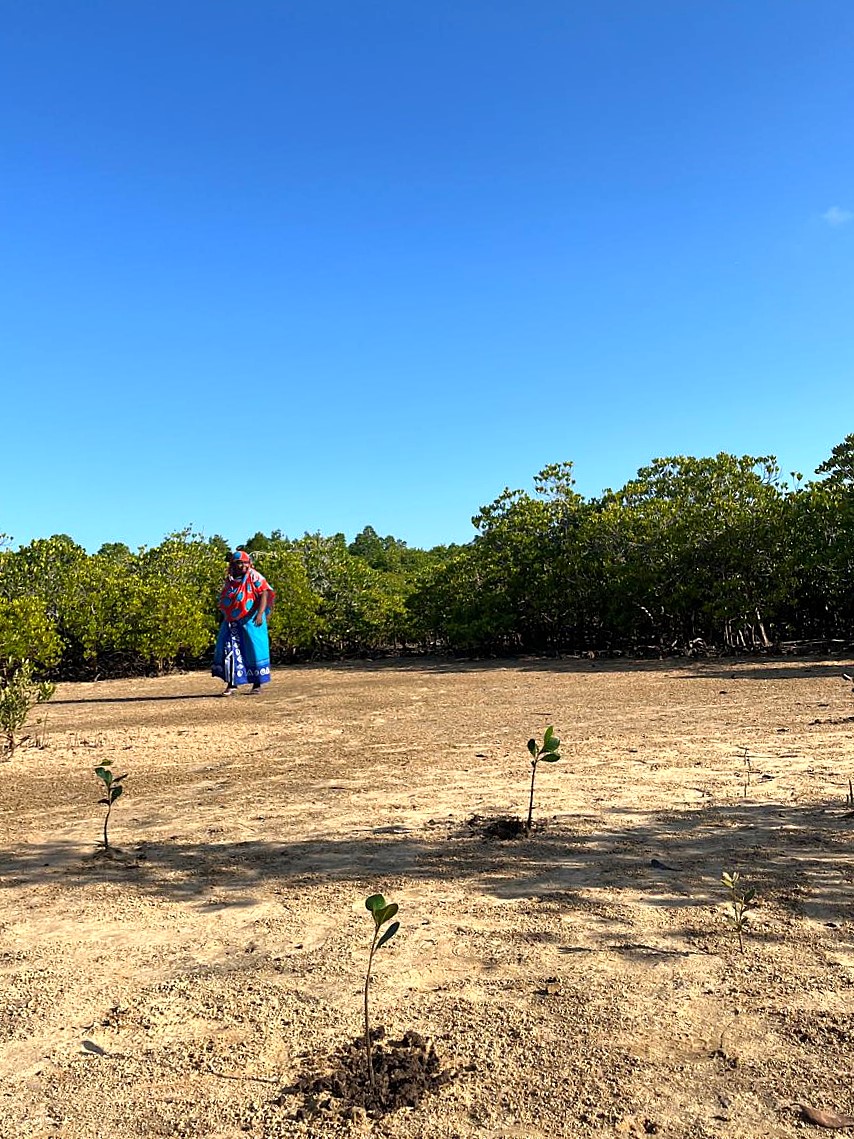
Mangrove restoration: Replanting and regeneration of degraded mangrove areas along the south coast
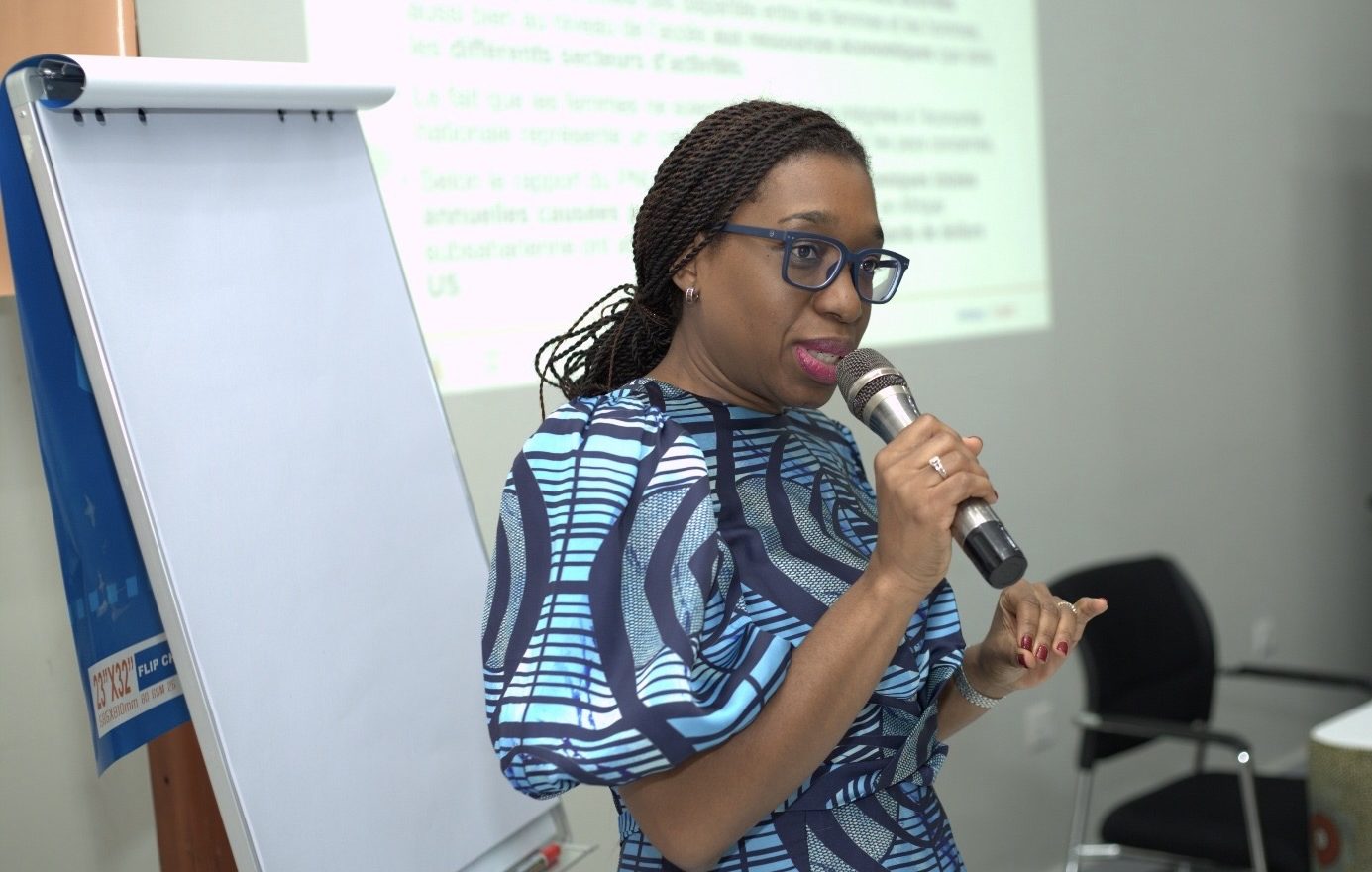
Community training: Skills development in sustainable mangrove management and alternative livelihoods
Fishing management: Sustainable fishing practices to reduce pressure on mangrove ecosystems
Sustainable management: Implementation of controlled, sustainable use of mangrove resources
Community projects: Investment livelihood support activities